
Tension Headache, Migraine, or Cervicogenic? How To Tell The Difference
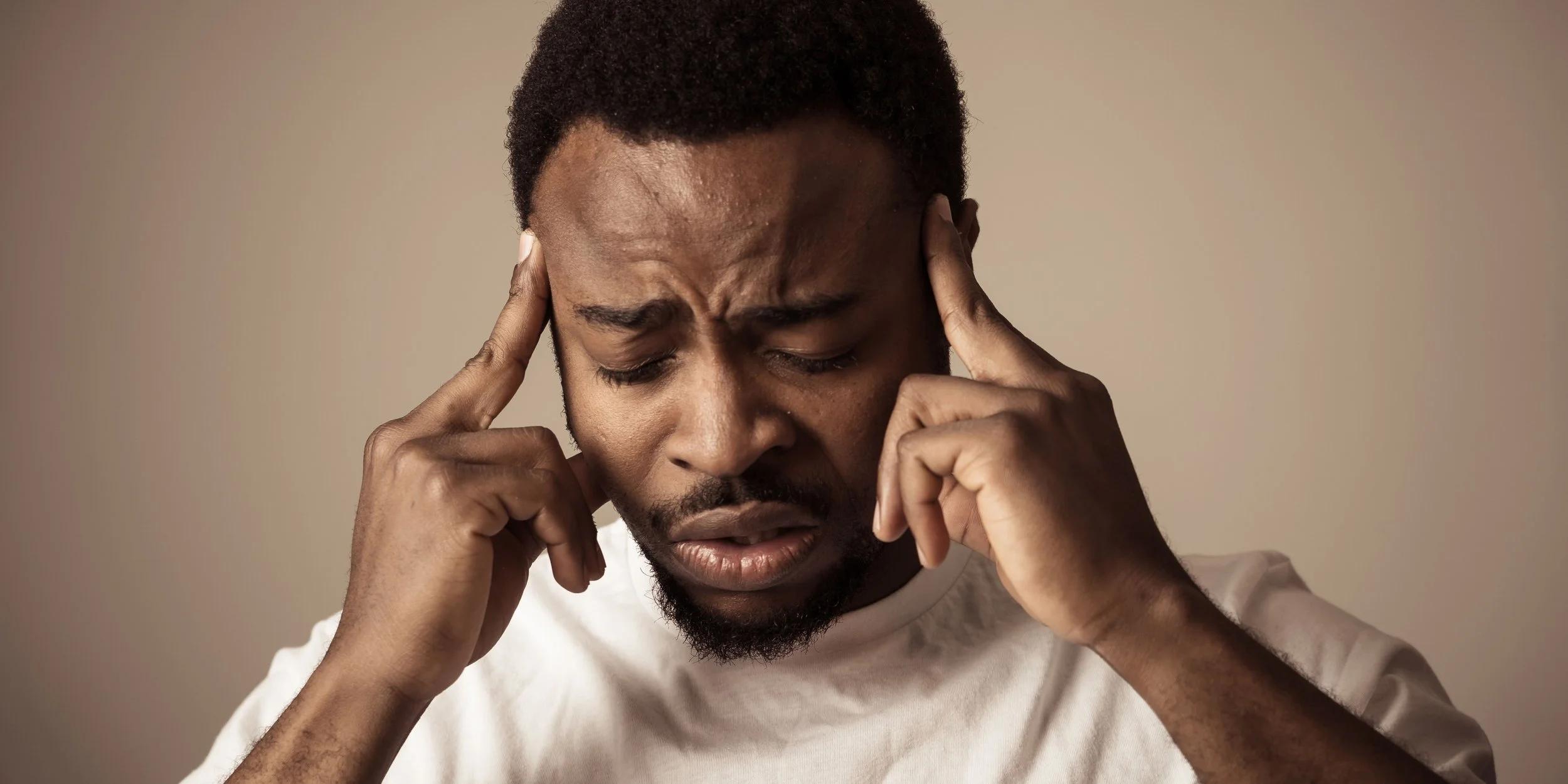
You have had headaches long enough to know they are not all the same. Some sit like a band around your head. Some throb on one side and bring nausea. Some seem to crawl up from the base of your skull. They feel different because they often are different. Understanding which kind you tend to get is more than trivia. It points toward what is actually driving them, and that changes what is likely to help.
Three Common Types, Briefly
Tension-type headaches usually feel like pressure or tightness on both sides of the head, often tied to stress, posture, or muscle tension. Migraine is a neurological event, frequently one-sided and throbbing, often with light or sound sensitivity, nausea, and sometimes aura. Cervicogenic headaches originate from the neck and tend to start at the base of the skull, sometimes worsening with neck movement or certain positions. These categories can overlap, and many people experience more than one type. The common thread that often goes unexamined is the role of the upper neck.
Why The Upper Neck Shows Up In All Three
The upper cervical region houses the trigeminocervical nucleus, where nerve signals from the upper neck converge with the trigeminal nerve that serves the face and head. Because of this convergence, tension in or misalignment of the atlas (C1) and axis (C2) can contribute to referred head pain and can influence the threshold for migraine activity. This is why correcting upper cervical alignment is associated with changes in headache and migraine patterns for many patients. Cervicogenic headaches in particular tend to respond well when the structural cause is addressed rather than only the symptom.
How Upper Cervical Care Approaches Headaches
Rather than treating every headache the same way, upper cervical care looks at whether the C1 and C2 region is a contributor. The evaluation uses objective imaging, the corrections are precise and gentle, and progress is tracked through structured re-evaluations. It is designed to address a structural piece, and it works alongside your other care, not in place of it.
Which type might be yours?
These patterns are worth paying attention to:
• Pressure on both sides, tied to stress or long days at a screen, often tension-type
• One-sided throbbing with nausea or light sensitivity, often migraine
• Pain that starts at the base of the skull or worsens with neck movement, often cervicogenic
• Headaches that return no matter what you try
• A past neck injury that preceded the headaches
If your headaches keep coming back, it may be less about finding a stronger remedy and more
about examining a cause that has been overlooked.
Ready To Find out If Upper Cervical Care Is A Fit For You?
Dr. Amanthi Demuth, Dr. Tiffany England, and the team at Demuth Spinal Care and Concussion Center in Sartell, MN are available for new patient consultations. You can book online in just a few minutes.
Prefer to learn more about upper cervical care first? Click here.
Medical Disclaimer
This article is provided for educational purposes only and is not intended to diagnose, treat, or replace individual medical advice. If you are experiencing persistent headaches, dizziness, neck pain, or symptoms following a concussion or injury, please consult a qualified healthcare provider. Individual results with upper cervical care vary. Demuth Spinal Care and Concussion Center evaluates each patient to determine whether care is appropriate for their specific situation.