

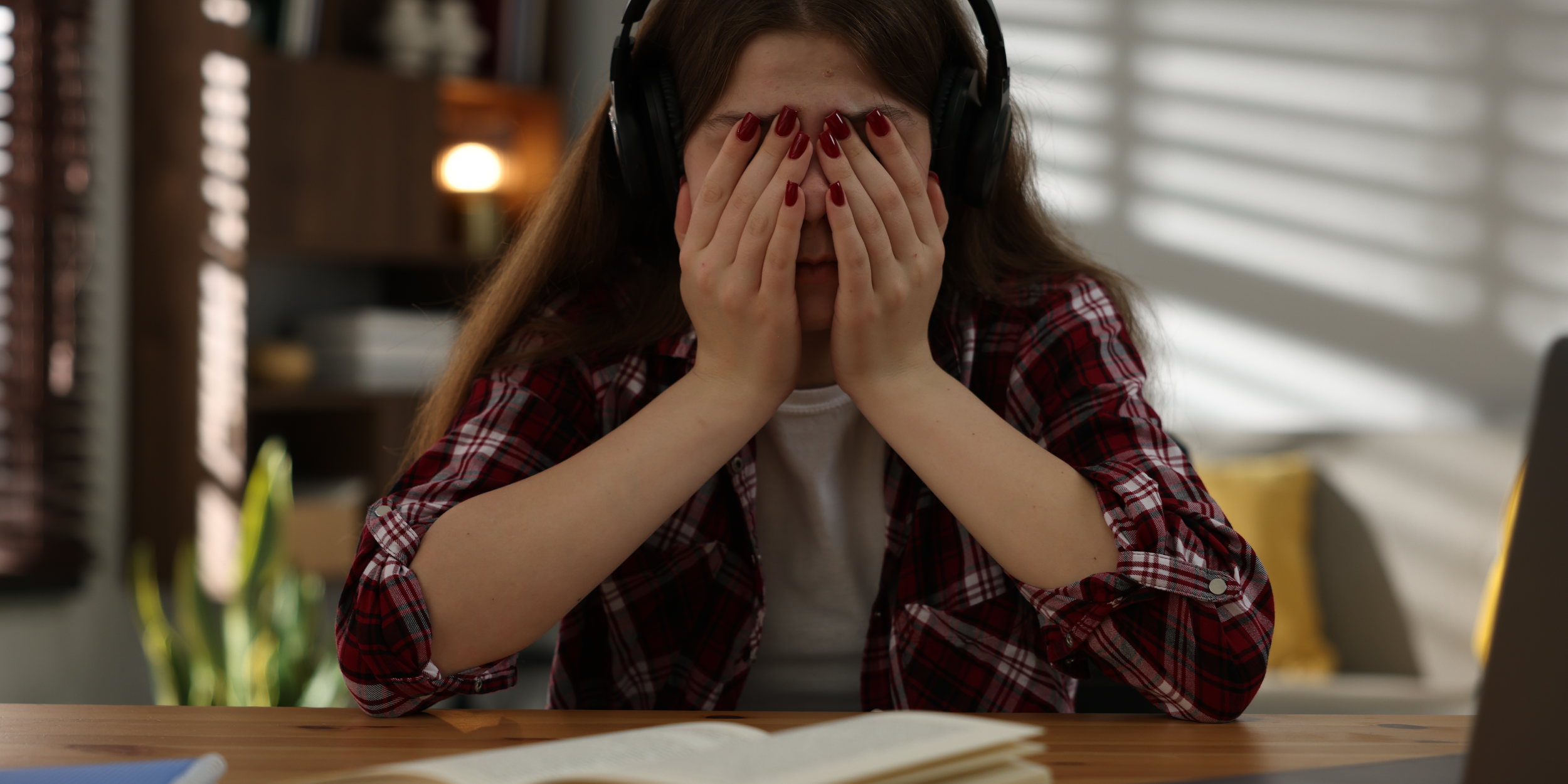
High pressure seasons are common for students. Academic demands, screen time, sports, and social stress can all overload a developing nervous system. At Demuth Spinal Care and Concussion Center in Sartell, Minnesota, we work with students of all ages who experience headaches, anxiety, poor focus, and sleep disruption during these intense periods.
Upper cervical chiropractic care focuses on the atlas, supporting healthy nervous system communication so students can adapt more effectively to stress.
Why Students Feel It Physically
When pressure builds, the nervous system often stays in a heightened state. This can lead to:
Headaches or migraines
Difficulty concentrating
Increased anxiety or restlessness
Neck and shoulder tension from screen use
Disrupted sleep patterns
Because the atlas surrounds the brainstem, even small misalignments can influence how well a student regulates stress and focus.
Signs You May Notice After Care
Parents and students often report:
Fewer headaches
Improved focus and attention
More restful sleep
Reduced anxiety during exams or competitions
Increased energy and resilience
Supportive Habits for Students
Alongside care, encourage:
Regular movement breaks during studying
Screen height adjusted to eye level
Consistent sleep schedules
Hydration and balanced nutrition
Deep breathing before tests or performances
Alleviate Your Winter Strain Today
Students deserve support during demanding seasons. At Demuth Spinal Care and Concussion Center in Sartell, Minnesota, we help students build nervous system resilience through precise upper cervical care.
Call 320 281 3177 or visit demuthspinalcare.com to schedule your upper cervical evaluation.
Medical Disclaimer
This article is intended for informational purposes only and does not constitute medical advice. Always consult with a licensed healthcare provider for diagnosis and treatment of any health conditions.