
Backpacks, Screens, and Headaches: A Posture Conversation

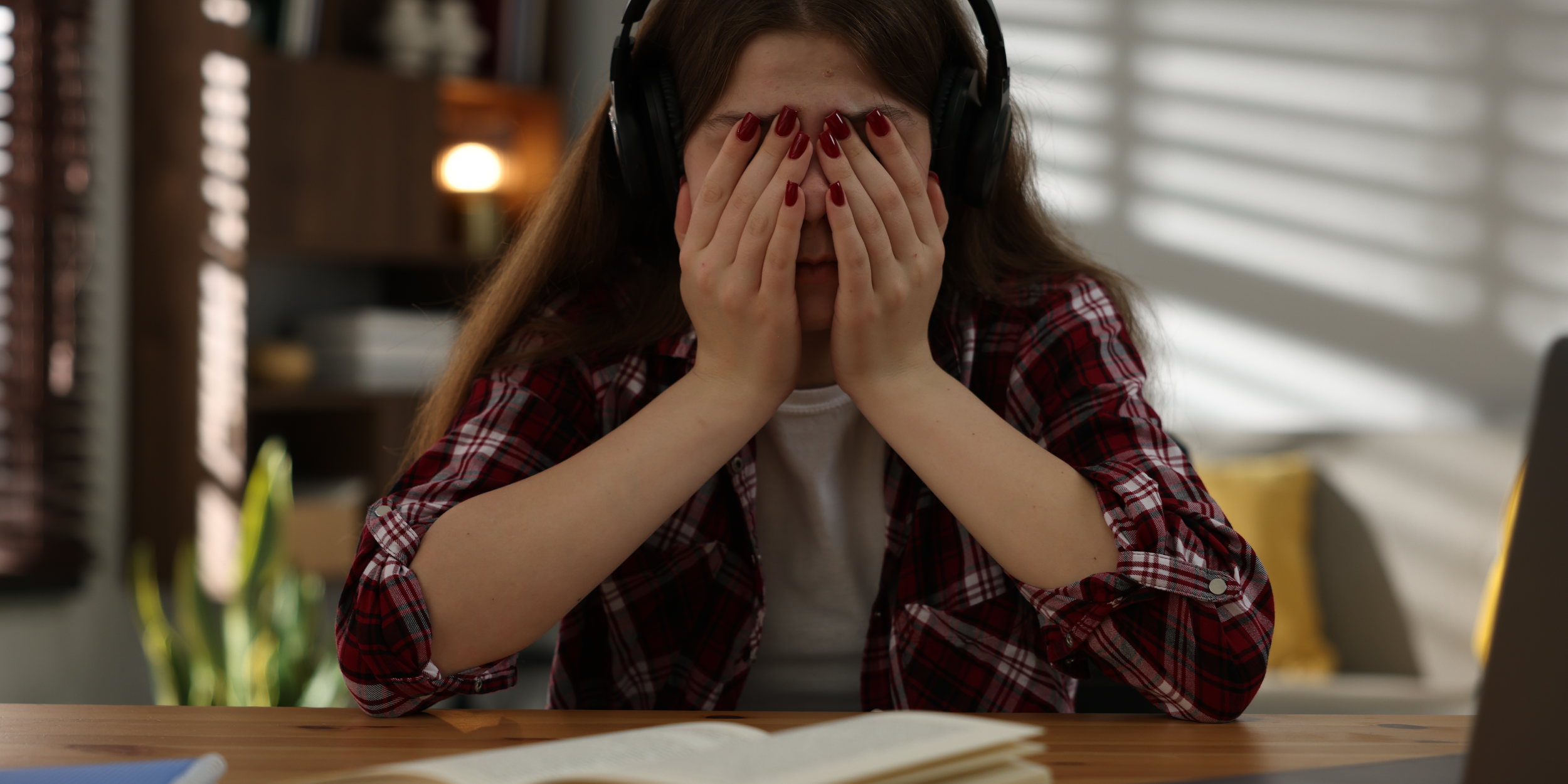
A new school year means heavier backpacks, more hours at a desk, and a lot more screen time. For some kids and teens, it also means more frequent headaches and a stiff, achy neck by the end of the day. Posture habits formed now tend to stick. A little attention at the start of the year can save a lot of discomfort later.
How Modern Posture Loads The Neck
The human head weighs roughly ten to twelve pounds. When it tips forward to look down at a phone or a laptop, the load on the neck increases significantly. Hours in that position, day after day, ask the muscles and joints of the neck to work harder than they were designed to. Add a heavy backpack worn on one shoulder, and the strain is not evenly distributed. Over time, this can contribute to neck stiffness, tension headaches, and a posture that becomes the new default.
Why The Upper Neck Matters Here
The atlas (C1) and axis (C2) sit at the very top of the spine and carry the head. When posture consistently loads the neck and the upper cervical region drifts out of alignment, it can contribute to headaches that start at the base of the skull and to the kind of nagging stiffness that does not belong in a young body. Children and teens are not small adults, and their care is approached gently and conservatively.
The goal is to evaluate, educate, and support healthy alignment, not to over-treat.
Practical steps for the school year
• Choose a backpack worn on both shoulders, and keep it to a sensible weight
• Raise screens toward eye level to reduce constant looking down
• Build in movement breaks during long stretches of homework
• Pay attention to headaches or neck complaints that become routine
• Consider an evaluation if symptoms are frequent or persistent
When To Look Closer
Occasional aches are part of growing up. Frequent headaches, persistent neck stiffness, or complaints that interfere with school or sports are worth a closer look. An upper cervical evaluation can determine whether posture has created a structural contributor worth addressing, using imaging and a measure and age-appropriate approach. Starting the year with good habits, and addressing problems early, sets a foundation that serves kids well beyond this semester.
Ready To Find out If Upper Cervical Care Is A Fit For You?
Dr. Amanthi Demuth, Dr. Tiffany England, and the team at Demuth Spinal Care and Concussion Center in Sartell, MN are available for new patient consultations. You can book online in just a few minutes.
Prefer to learn more about upper cervical care first? Click here.
Medical Disclaimer
This article is provided for educational purposes only and is not intended to diagnose, treat, or replace individual medical advice. If you are experiencing persistent headaches, dizziness, neck pain, or symptoms following a concussion or injury, please consult a qualified healthcare provider. Individual results with upper cervical care vary. Demuth Spinal Care and Concussion Center evaluates each patient to determine whether care is appropriate for their specific situation.