The Atlas and TMJ Tension: Why Your Jaw and Neck Are So Closely Linked
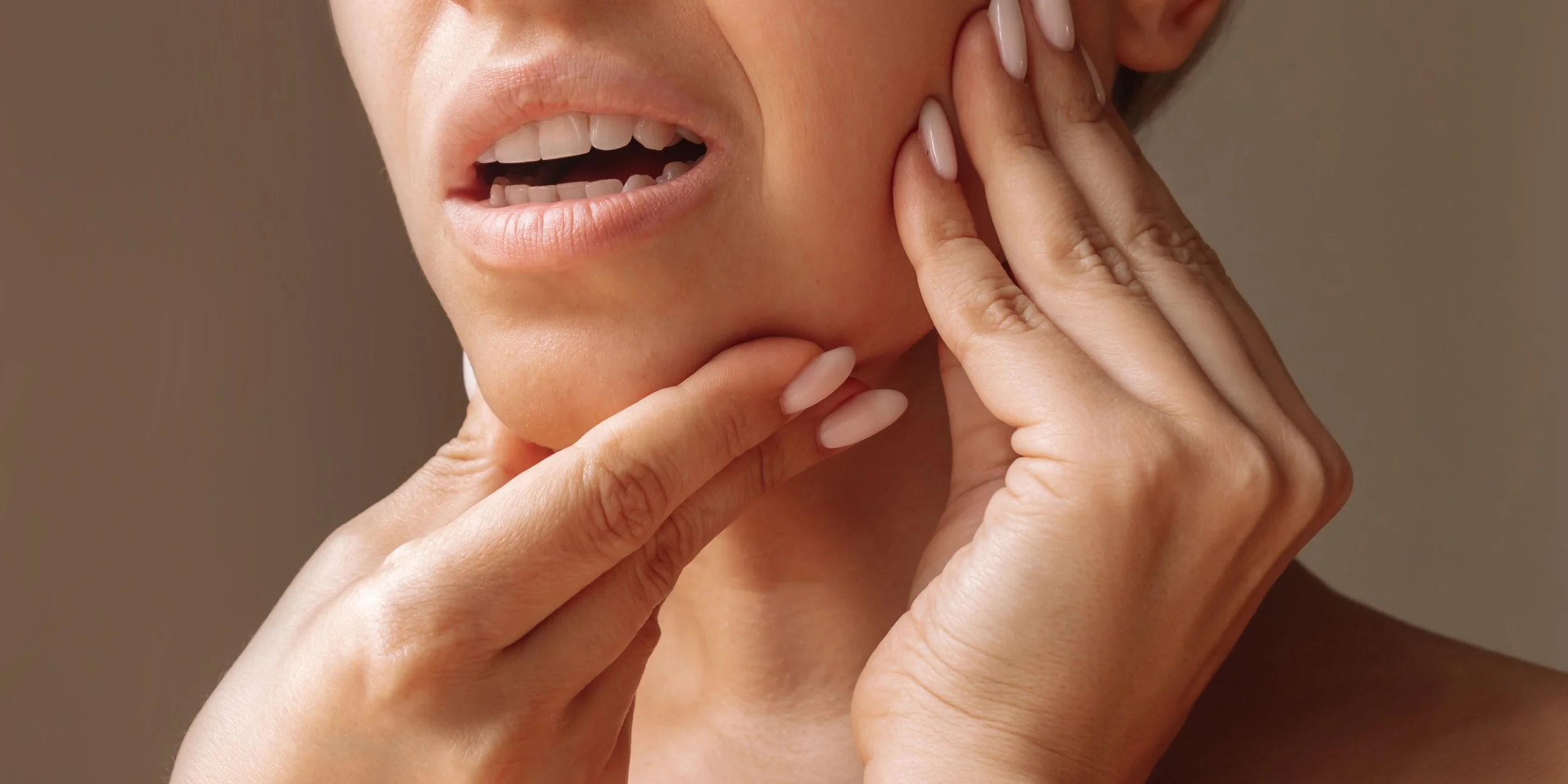
Jaw tension often feels isolated, but it rarely is. At Demuth Spinal Care and Concussion Center in Sartell, Minnesota, we frequently see TMJ discomfort connected to atlas misalignment and upper cervical tension.
The jaw, neck, and nervous system are deeply interconnected. Addressing the atlas can help reduce strain patterns that contribute to chronic jaw discomfort.
How the Jaw and Atlas Communicate
The atlas influences muscle tone and nerve signaling in the head and neck. When misaligned, it may contribute to:
Jaw clenching or grinding
Facial tension
Headaches
Neck stiffness
Sleep disruption
These symptoms often stem from altered nervous system regulation rather than jaw mechanics alone.
How Upper Cervical Care Supports TMJ Relief
Upper cervical care focuses on restoring balance at the top of the spine, which can:
Reduce compensatory muscle tension
Improve nerve communication to the jaw
Support relaxed facial muscles
Ease associated headaches and sleep issues
Signs You May Notice After Care
Patients commonly experience:
Reduced jaw tightness
Less facial and neck tension
Fewer tension headaches
Improved sleep comfort
Easier jaw movement

Habits That Support Jaw Relaxation
Helpful practices include:
Awareness of clenching during stress
Gentle jaw and neck stretches
Proper pillow support at night
Mindful breathing to calm tension
Limiting excessive gum chewing
Ease Your TMJ Today
Jaw tension often starts at the neck. At Demuth Spinal Care and Concussion Center in Sartell, Minnesota, we evaluate atlas alignment to address TMJ patterns at the source.
Call 320 281 3177 or use our online booking option to schedule your evaluation today.
Medical Disclaimer
This article is intended for informational purposes only and does not constitute medical advice. Always consult with a licensed healthcare provider for diagnosis and treatment of any health conditions.