
If you have ever searched this question, you are probably not finding much. That is because Atlas Orthogonal is not a term most people, or even most chiropractors, know well. It is a specific, precision-based approach that only a small number of practitioners are trained in. Here is what it actually is, how it works, and what to expect if you are considering it.
What Is the Atlas Orthogonal Technique?
The Atlas Orthogonal Technique is a precision based upper cervical chiropractic approach that focuses on the atlas, the C1 vertebra at the very top of the spine. The atlas sits directly beneath the skull and surrounds the brainstem. Because of its position, even a small misalignment here can affect how the nervous system communicates with the rest of the body.
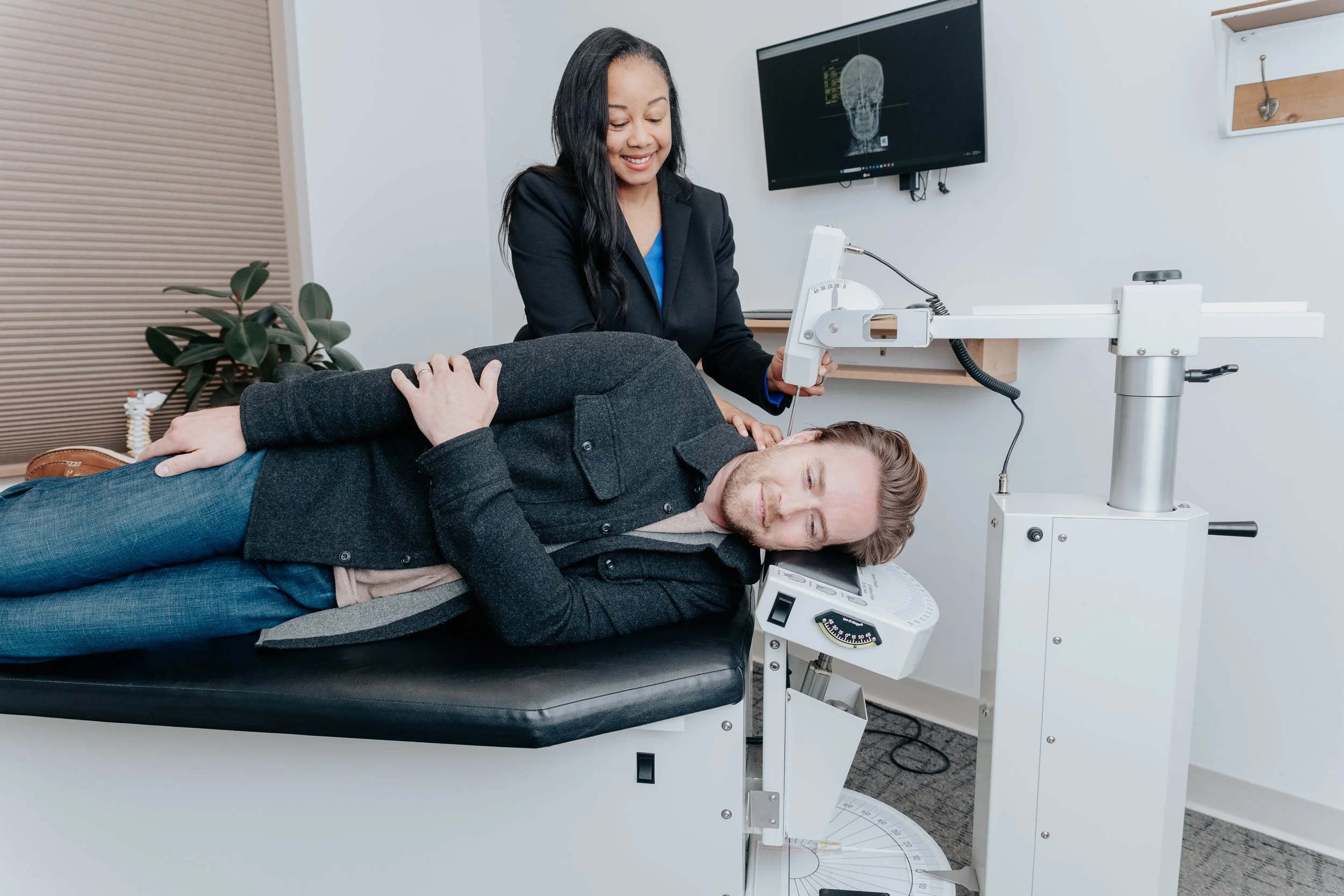
Atlas Orthogonal uses detailed imaging to measure the exact position of the atlas before any adjustment is made. Instead of a manual, hands-on push or twist, the correction is delivered through a specialized instrument that applies a gentle, calculated force. The goal is precision. Correcting the atlas's position as specifically as possible, based on measurements unique to each patient.
How Is It Different From Regular Chiropractic?
General chiropractic care often addresses the spine broadly, using manual adjustments across multiple regions to relieve tension and restore movement. Atlas Orthogonal takes a narrower, more measured approach.
A few key differences:
Imaging first. Precise X-rays are taken to measure the exact misalignment before any adjustment happens.
No twisting or manual force. The adjustment is delivered through a small, calculated instrument, not a manual thrust.
One area, deep focus. Rather than adjusting the whole spine, the focus stays on the atlas and its relationship to the brainstem and nervous system.
Re-evaluation built in. Follow-up imaging and structured re-checks confirm whether the correction is holding, rather than relying on how a patient feels alone.
This is not a claim that one approach is better than the other. General chiropractic and upper cervical care serve different purposes, and many patients benefit from a specialized, data-driven method when their symptoms point toward the upper cervical spine specifically.
What Does an Adjustment Feel Like?
This is usually the first question people ask once they understand what Atlas Orthogonal is. The adjustment itself is quiet and gentle. There is no cracking, popping, or twisting involved. Most patients describe it as a light tapping or vibration near the base of the skull, over in a matter of seconds.
Many patients say the biggest surprise is how subtle it feels compared to what they expected from a chiropractic visit. Some patients report noticing changes gradually over the following hours or days, while others need a few visits before a shift becomes noticeable. Individual experiences vary, and progress is tracked through structured re-evaluation rather than guesswork.
Who Is It For? Is It Safe?
Atlas Orthogonal is often considered by people experiencing headaches, migraines, neck pain, vertigo, dizziness, balance issues, or symptoms following a concussion or whiplash injury. It is also sought out by patients who have tried general chiropractic care or other approaches without the results they were hoping for.
Because the technique uses a light, instrument-guided correction rather than manual force, it is often well suited for patients who prefer a gentler approach, including those who have been hesitant about traditional adjustments. That said, every patient is different. A consultation and imaging review is the appropriate way to determine whether Atlas Orthogonal is a good fit for your specific situation. This article is educational and is not a substitute for an individualized evaluation.
How Many Sessions Does It Take?
There is no single answer here, and any provider who gives you an exact number without an exam is skipping a step. The right number of sessions depends on the degree of misalignment, how long the issue has been present, and how the body responds to initial care.
What is consistent is the process. Structured re-evaluations, typically using follow-up imaging, are used to track whether the atlas is holding its corrected position over time. This is how a data-driven approach differs from an approach based on how a patient feels alone. Progress is measured, not assumed.
Signs This Might Be Worth Exploring
Headaches or migraines that have not responded to other approaches
Vertigo, dizziness, or balance concerns, especially following an injury
Neck pain or stiffness centered near the base of the skull
Lingering symptoms after a concussion or whiplash injury
Curiosity about a gentler, more precise alternative to general chiropractic
Frequently Asked Questions
Is Atlas Orthogonal painful? No. The correction itself is a light, quiet tap or vibration. There is no twisting or forceful thrust involved.
Do I need X-rays every visit? Not every visit. Imaging is typically used at the start of care and again at structured re-evaluation points to confirm progress.
Can children receive Atlas Orthogonal care? This depends on the individual case. A consultation is the appropriate way to determine if this approach fits a younger patient's needs.
Is this covered by insurance? Coverage varies by provider and plan. Our team can help you understand your options during a consultation.
How is this different from a regular neck adjustment? A regular neck adjustment often involves broader manual movement across the cervical spine. Atlas Orthogonal focuses specifically on the atlas, guided by precise imaging and a calculated, instrument-delivered correction.
A Clearer Path Forward
The atlas is a small bone with an outsized role in how the nervous system functions. Atlas Orthogonal exists because that precision matters, and because measuring the problem is the first step to addressing it thoughtfully.
Ready to find out if upper cervical care is a fit for you?
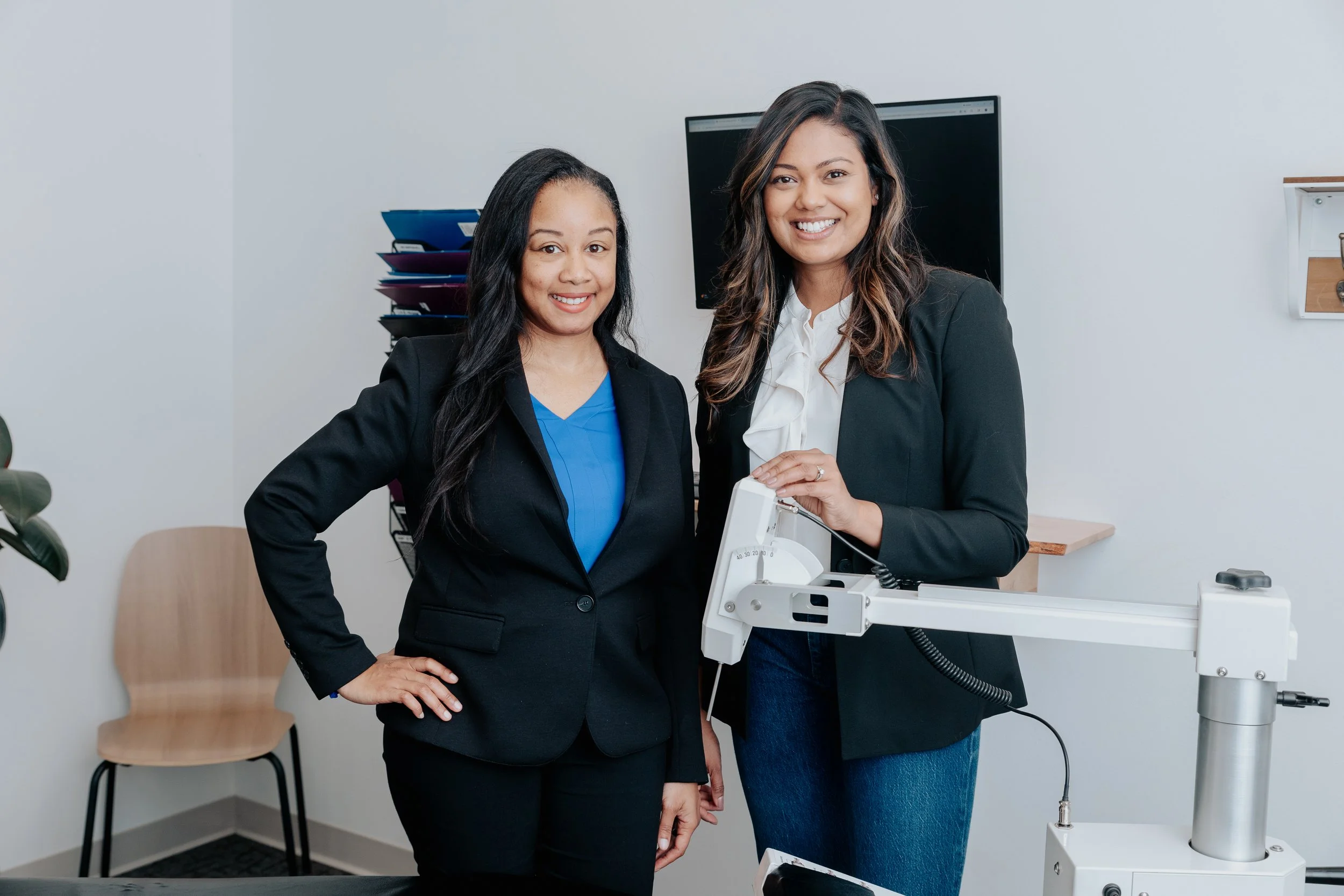
Dr. Amanthi Demuth, Dr. Tiffany England, and the team at Demuth Spinal Care and Concussion Center in Sartell, MN are available for new patient consultations. You can book online in just a few minutes.
Prefer to learn more first? Click here.
Medical Disclaimer
This article is provided for educational purposes only and is not intended to diagnose, treat, or replace individual medical advice. If you are experiencing persistent headaches, dizziness, neck pain, or symptoms following a concussion or injury, please consult a qualified healthcare provider. Individual results with upper cervical care vary. Demuth Spinal Care and Concussion Center evaluates each patient to determine whether care is appropriate for their specific situation.